

Sustainable surfactant Bio IOS®
Brand Purpose Make “washing” sustainable
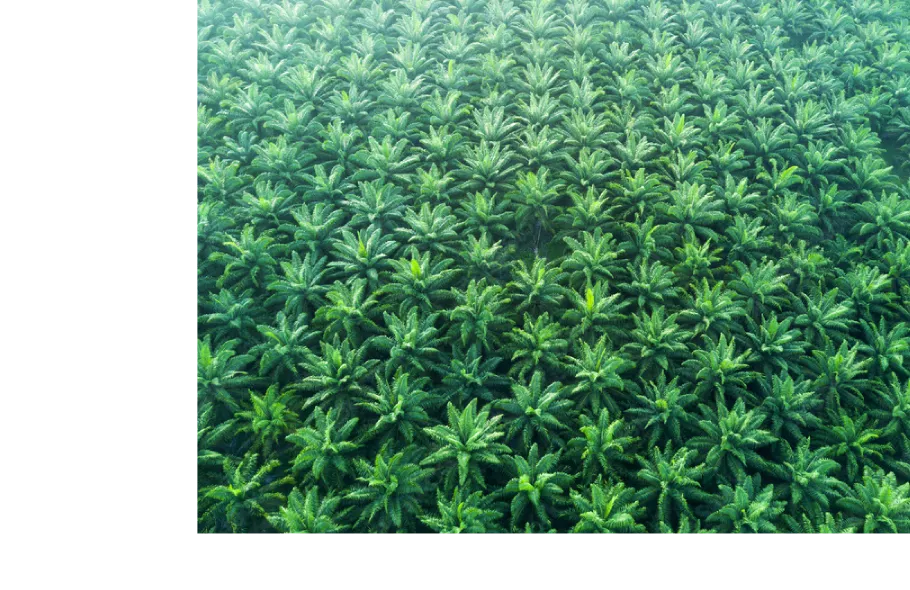

In a future with a growing population, demand for
vegetable oils—used as raw materials for detergents and shampoos—will increase. And many forests may be lost.


That is why Kao
developed a naturally
derived surfactant, Bio IOS®,
from the solid oil that remains after
pressing the fruit of oil palms—material that had rarely been used as a surfactant until now.

This technology meets the growing demand for cleansing products and helps prevent excessive deforestation.
Kao will contribute to the future of people and the planet by bringing Bio IOS® to the world and making daily “washing” sustainable.
What’s Bio IOS®


03 Technology
Dissolves easily in water and has a high affinity for oil, delivering effective cleaning even in small amounts.

Easy to use

High versatility
Applicable across a wide range of “washing” uses

Naturally derived
100% bio-based ingredient from plant oils

Reliable performance
in any water conditions
Dissolves easily even in low temperatures and hard water, making it easy to use
The Meaning
Behind the Logo
The navy lettering represents trust and cleanliness.
The shape of the “i” symbolizes a person.
The surrounding green ring evokes a world of rich coexistence.
It also represents a continuous cycle, expressing our commitment to a sustainable future.

The problem of
“washing”
that has
depended on palm oil
Palm kernel oil* has been used as a key raw material for essential cleansing products such as detergents, soaps, and shampoos.
As the world’s population grows, rising demand for vegetable oil–based raw materials may lead to the loss of rich tropical forests due to expanding oil palm cultivation. Furthermore, a shortage in palm kernel oil could limit access to essential cleansing products for those who need them.
Addressing this issue now is essential to protecting both our future lives and the environment.
*Oil extracted from the kernel of the oil palm seed
Solving challenges to sustain
“washing” for the future.


01 Sustainable
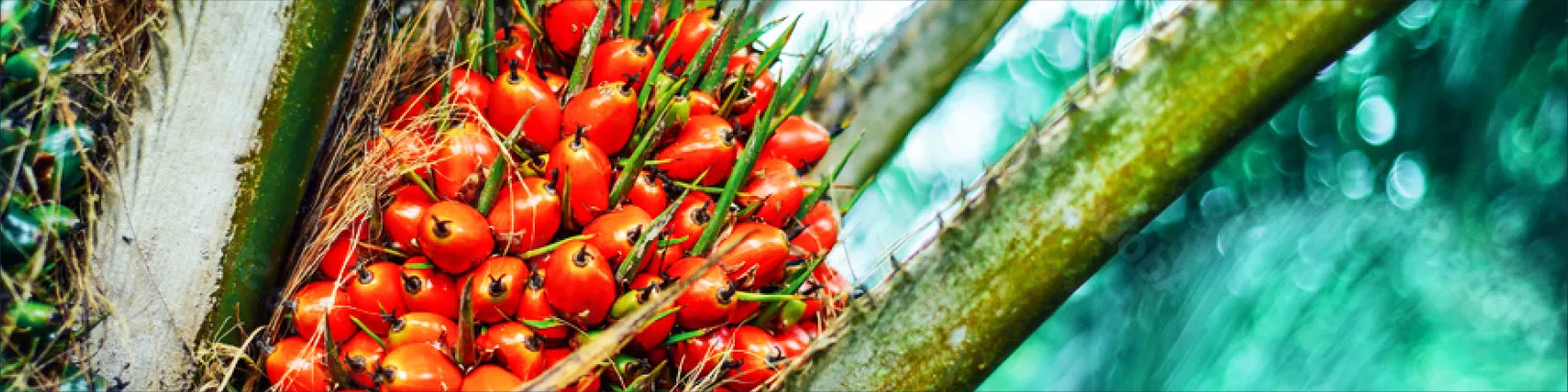
We have developed a technology to convert the solid oil left after extracting oil from oil palm fruit into Bio IOS®, a surfactant suitable for use in detergents, shampoos, and other products.
This has increased surfactant yield from oil palm fruit by 20%.


Liquid oil
from the fruit
70%
Mainly used as
edible oil.

Kernel oil
inside the seed
10%
Used as a key ingredient in detergents and cosmetics.

Solid oil remaining after extraction from fruit
20%
Now transformed into a surfactant through
Bio IOS® technology.
02 Uniqueness
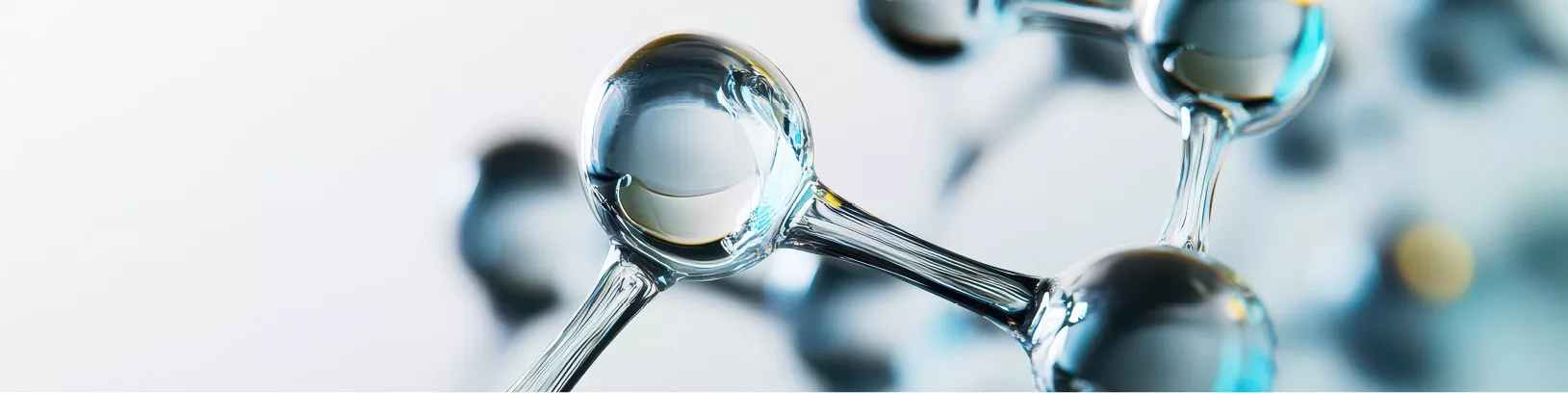
The solid oil used as a raw material for Bio IOS® contains long-chain alkyl groups and is poorly soluble in water, which has traditionally made it unsuitable for surfactant applications.
Bio IOS® overcomes this limitation by branching these long alkyl chains, creating a unique molecular structure that is highly water-soluble.

Conventional surfactant Bio IOS®
Bio IOS® possesses a unique branched alkyl chain structure, enabling it to exhibit high water solubility despite possessing long alkyl chains.
03 Technology

Conventional surfactants have inherent trade-offs: those that dissolve easily in water tend to have a low affinity for oil, while those with a high affinity for oil tend to be less water-soluble.
Bio IOS® features a unique molecular structure that enables both high water solubility and a strong affinity for oil.
As a result, it effectively removes dirt even in low temperatures, in hard water, or when used in small amounts.
Achieving both high surface
activity and water solubility


Conventional surfactant Bio IOS®
Solubility in water with temperature 0°C and hardness 20°DH
(concentration 1wt%)
04 Future

The development of Bio IOS® enables the use of a wider range of plant-based oils as surfactant raw materials, beyond palm oil.
Currently, key surfactant feedstocks such as palm kernel oil and coconut oil are limited to production in tropical regions.
Applying this technology to a broader variety of plant-based materials makes it possible to meet the growing demand for cleansing products without relying on specific regions.
In addition, the use of previously untapped resources such as algae-derived oils is also expected.
This is the future of “washing” we envision.
Vegetable oil feedstocks
